
Brokers & prop trading firms
You need a real-time view of exposure, margin, and client activity. You need an OMS that doesn't drop live orders during partial fills or disconnects. Off-the-shelf tools can't process financial data at your speed.

What is trading systems engineering
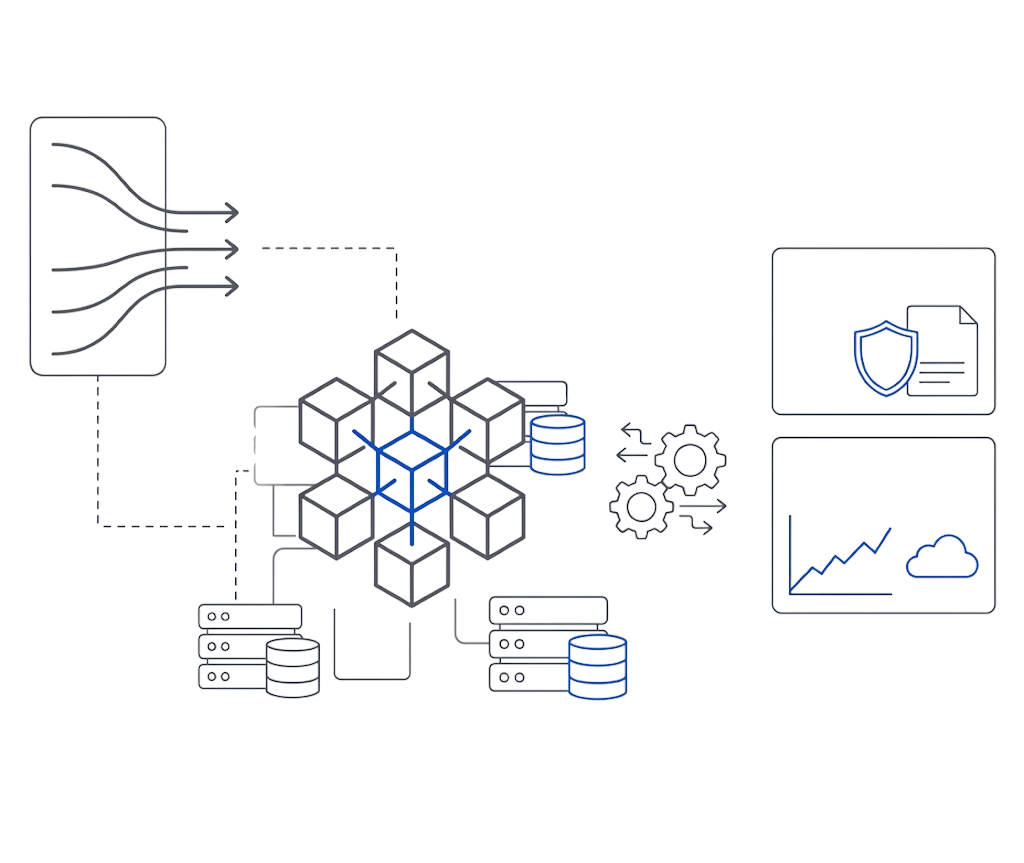
Trading systems engineering is the construction of the infrastructure underneath a trading product. It covers the matching engine, order management layer, market data pipelines, risk engine, and exchange connectivity. It is not the interface on top of that infrastructure.
A trading app shows quotes and accepts trades. A trading system prices, routes, matches, executes, and risk-manages orders in real time. It runs deterministically, under load, with an audit trail regulators can verify.
Architecture decisions made here have long-term consequences. A matching path that isn't deterministic, or a ledger that can't reconstruct state, becomes expensive to fix once you're live.
Magnise builds and modernizes trading systems for firms where these constraints are real. We work with brokers carrying A-Book/B-Book exposure, exchanges that need deterministic matching, and capital-markets platforms where latency is a liability.
Who we work with
You need a real-time view of exposure, margin, and client activity. You need an OMS that doesn't drop live orders during partial fills or disconnects. Off-the-shelf tools can't process financial data at your speed.

You need deterministic matching that produces identical outputs from identical inputs, holding throughput when concurrency spikes. A non-deterministic core is not an option you can ship.

You're building or modernizing execution infrastructure: multi-venue routing, market data normalization, liquidity aggregation. You need engineers who already know FIX, order books, and settlement mechanics.

Your product works, but the trading core underneath it wasn't built for production volume. You need it re-architected without stopping operations.
The building blocks of resilient finance

Deterministic, ultra-low-latency execution cores. In-memory order books, lock-free data structures, and event-sourced journals for recovery. Price/time (FIFO) or pro-rata matching that holds throughput under concurrent load.

State-machine-driven order lifecycles, smart order routing, and algorithmic execution (TWAP/VWAP). FIX 4.4/5.0 gateways and active-active clustering designed to preserve live order state during node failures.

Real-time pre-trade risk filters, dynamic and cross-portfolio margin calculation, and automated liquidation protocols. They run as asynchronous parallel grids so risk never slows execution.

Real-time ingestion, normalization, and low-latency distribution of high-frequency feeds. Binary protocols (ITCH, FAST, UDP multicast) and normalization of disparate exchange feeds into a single internal schema.

Normalization of multiple LP feeds into a unified order book, synthetic BBO calculation, and latency-arbitrage / staleness protection. Protocol translators for FIX, REST, and proprietary WebSocket APIs.

Back-office portals coupled to the trading core via event-driven architecture. Real-time A-Book/B-Book exposure, IB hierarchies, RBAC, maker-checker workflows, and audit logging.

High-performance, real-time charting for institutional and retail traders. WebGL/Canvas rendering decouples the UI thread from data processing, served over secure WSS. The interface stays responsive under volatility.
What makes trading systems hard to engineer
How trading systems engineering works at Magnise

We map the real problem: latency thresholds, throughput targets, venues and protocols to connect, and regulatory constraints. Output: a technical concept and execution-architecture plan
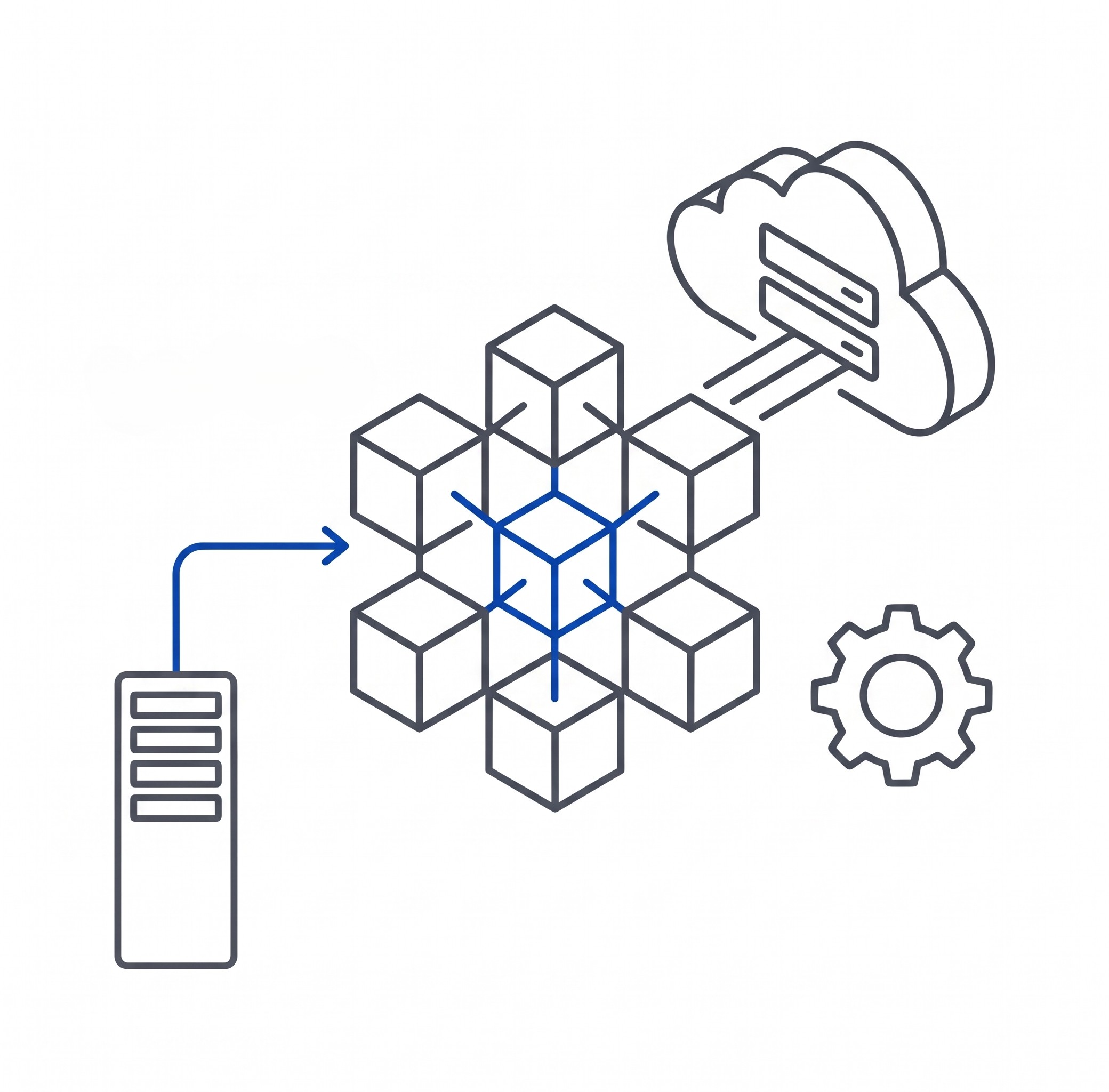
We design the matching path, data model, and connectivity before writing production code. For trading systems this is high-stakes the wrong data model is expensive to correct at scale

We build the core with deterministic execution, event sourcing, audit logging, and RBAC embedded not added later. Code that survives a regulatory audit looks different from code that doesn't
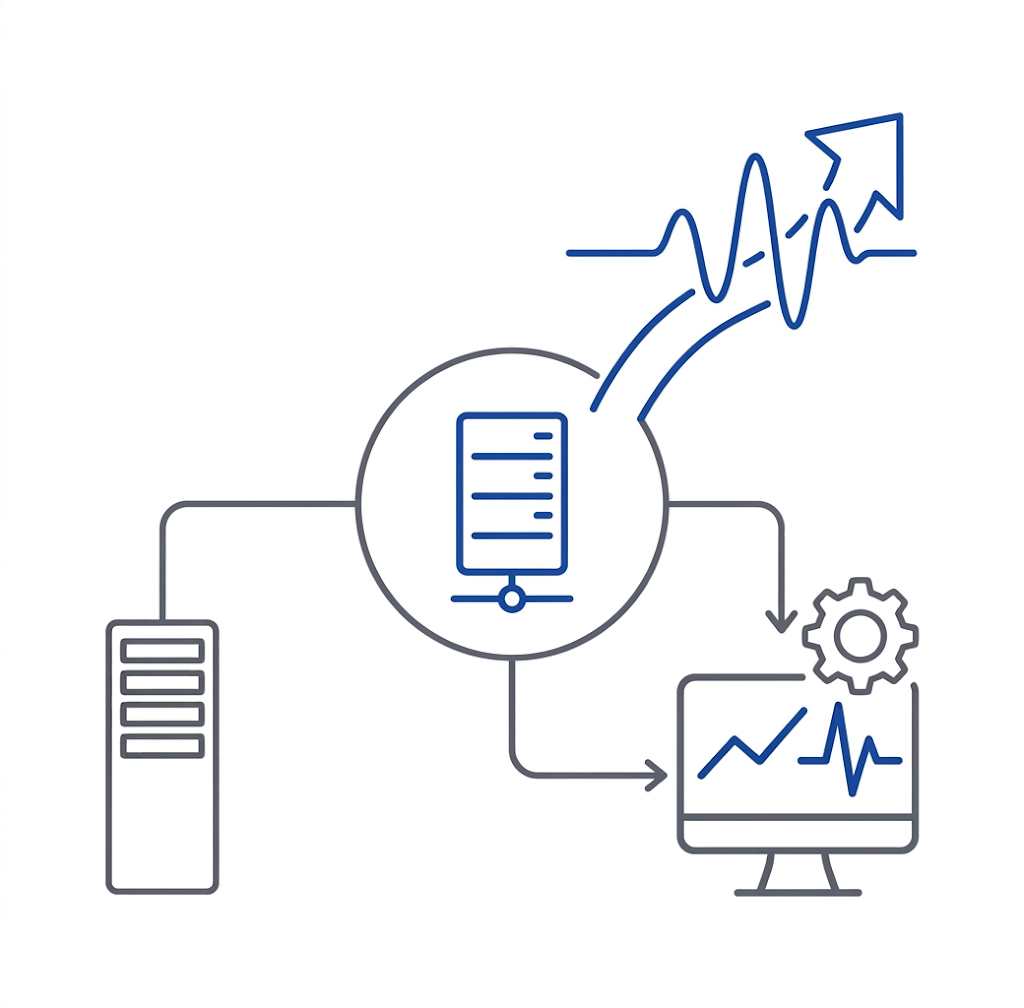
We integrate exchanges, LPs, and FIX endpoints. Then we load-test against trading-specific scenarios: volatility spikes, concurrency bursts, partial fills, and disconnect recovery

We support deployment, monitoring, and post-launch work new venues, new asset classes, and performance tuning. We reuse proven components from Fintatech where they accelerate delivery
Why fintech companies choose Magnise

Not a generalist agency where trading is one of twenty verticals. Our engineering experience is in regulated financial and trading environments. Domain knowledge isn't something we acquire on your project.

Matching engines, OMS, market data, risk — we've engineered the subsystems themselves, not only consumed third-party APIs over them.

Most trading-system failures are rooted in early architectural decisions, not later execution. We treat execution and data architecture as the highest-value part of the engagement.
Fintatech is our internal fintech engineering environment, where reusable trading components are built and proven in production. We've made architecture decisions with real production consequences.
FintatechTrading systems we've built
Trading Systems Engineering
A European multi-asset broker had no automated API tests across 12 services, forcing every release to wait on a week-long manual regression pass.
Platform scope & integrations
1 week → 12 min
Regression time dropped from about a week of manual checks to a single automated run of nearly 900 tests
0 → 12
Services fully covered by functional, negative, and permission tests, up from zero automated test coverage
Explore related fintech engineering
We build payment infrastructure with transaction integrity and risk controls engineered directly into the payment flow.
What we build: Payment orchestration, transaction risk scoring, digital wallets, reconciliation, clearing and settlement.

We build the core behind digital banking products, from account and wallet infrastructure to lending and compliance workflows.
What we build: Core banking architecture, account systems, digital wallets, lending engines, KYC/AML workflows.
Tell us about your execution stack. Our engineering team reviews the context within 1–2 business days. We come back to schedule a discovery call a technical discussion, not a sales call



