
Payment Providers & PSPs
You're losing transactions to single-gateway declines and locked into one provider. You need orchestration with dynamic routing and failover, not another point integration to maintain.

What is payment & risk infrastructure
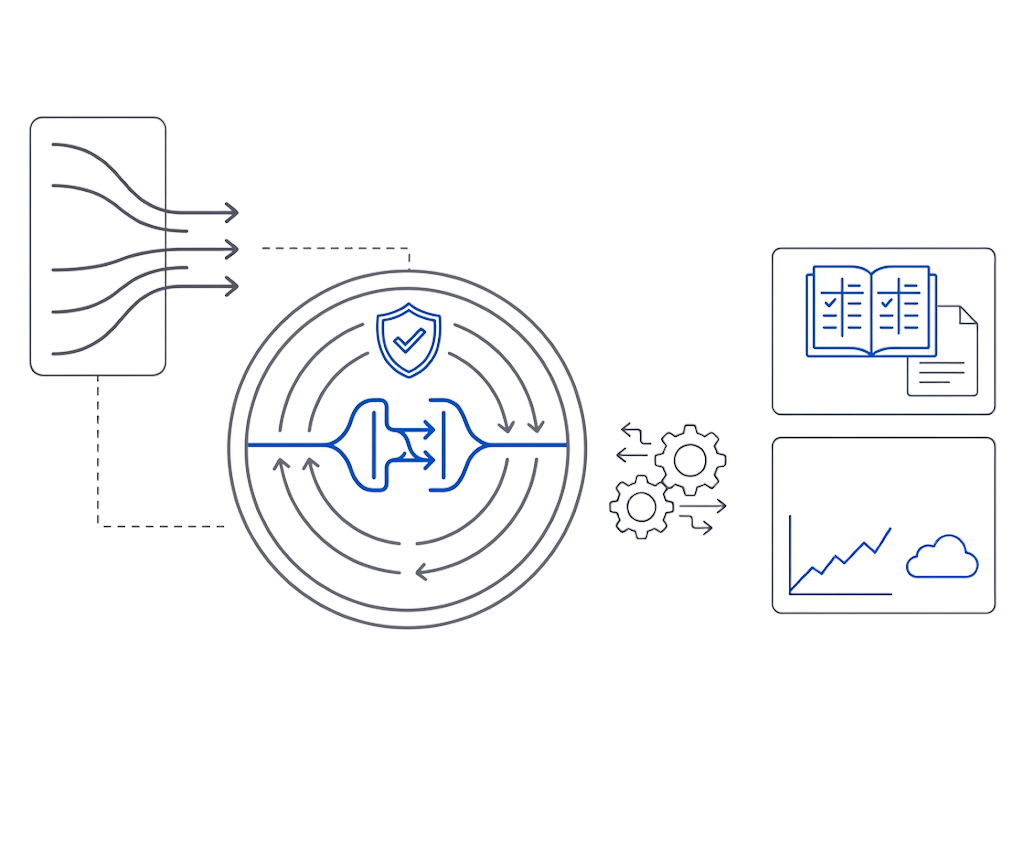
Payment and risk infrastructure is the system layer that routes, processes, scores, settles, and reconciles a transaction. Fraud detection, transaction monitoring, and compliance live inside that flow they're not bolted on later.
Integrating a single gateway is not infrastructure. Infrastructure is orchestration across providers, a ledger designed to preserve transaction integrity and prevent duplicate processing, and settlement that matches to the penny. It's risk scoring that runs inside the transaction path, not in a side dashboard.
Getting idempotency, reconciliation, or PCI scope wrong early is expensive and sometimes a regulator's problem, not just a bug.
Magnise builds payment and risk infrastructure for companies where transaction integrity is the whole business. PSPs replacing single-gateway dependency, marketplaces moving money between parties, and fintech platforms processing volume across jurisdictions.
Who we work with
You're losing transactions to single-gateway declines and locked into one provider. You need orchestration with dynamic routing and failover, not another point integration to maintain.

You hold balances and split payments between parties. You need wallet ledgers and settlement that stay correct under concurrency, and reconciliation you actually trust.

Your transaction volume has outgrown the architecture that handles it. You need reconciliation, idempotency, and risk built into the flow itself — not into spreadsheets around it.

You're fighting chargebacks and fraud manually at scale, and it's not scaling. You need risk scoring and dispute workflows engineered into the system, not run from inboxes.
The building blocks of resilient finance

Gateway-agnostic routing, load balancing, and dynamic switching with automatic failover. BIN-based routing, gateway health checks, and retry logic — the things that actually move authorization rates.
Immutable double-entry ledgers, P2P transfers, and balance integrity under concurrency. Distributed locking and reconciliation help preserve balance consistency and prevent duplicate or conflicting transaction updates

Automated reconciliation, net settlement, and multi-currency, cross-border flows. ISO 20022, MT940, and CAMT ingestion with matching down to the penny, not the dollar.

Developer-grade payment APIs with idempotency keys, rate limiting, and webhooks that actually retry async delivery with exponential backoff. mTLS and OAuth 2.0 for server-to-server trust, not shared secrets in a config file.

Isolated card-data vaults that return tokens and help reduce PCI scope. HSM-backed key management and data masking keep sensitive card data isolated from core systems, logs, and admin interfaces.

Stablecoin settlement rails (USDC/USDT/PYUSD), fiat crypto conversion, and treasury rebalancing. Blockchain analytics score deposit risk before funds touch your balance sheet one component, not the headline.
Real-time transaction scoring and automated blocking, engineered into the payment path itself. Behavioral signals and rules your risk team can actually tune not a black box you have to trust.

Chargeback lifecycle engines, automated evidence assembly, and dispute workflows wired into the network APIs. Maker-checker review for the high-risk cases that warrant a second pair of eyes.

KYC/AML checks, transaction monitoring, and audit trails built into the flow itself. Compliance becomes a property of the system instead of a quarterly fire drill.
What makes payment & risk infrastructure hard
How payment & risk engineering works at Magnise

We map transaction flows, provider dependencies, the risk model, and PCI scope before anything else. You walk out with a plan that treats reconciliation and idempotency as first-class concerns
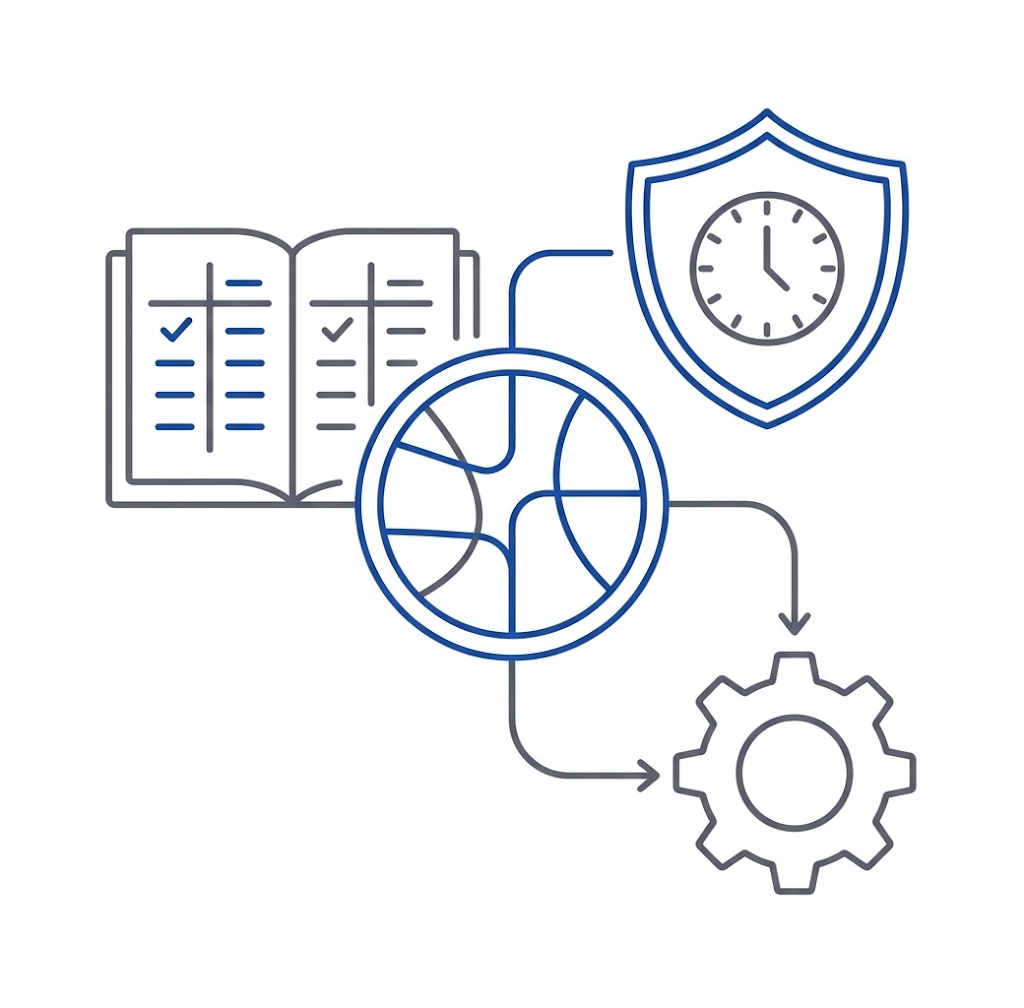
We design routing, the double-entry ledger, and the risk model before any production code. The wrong ledger or routing pattern is the expensive thing to fix at volume better on paper first.

Idempotency, audit logging, tokenization, and compliance checkpoints go into the build from the first commit. They're not something we add later under audit pressure
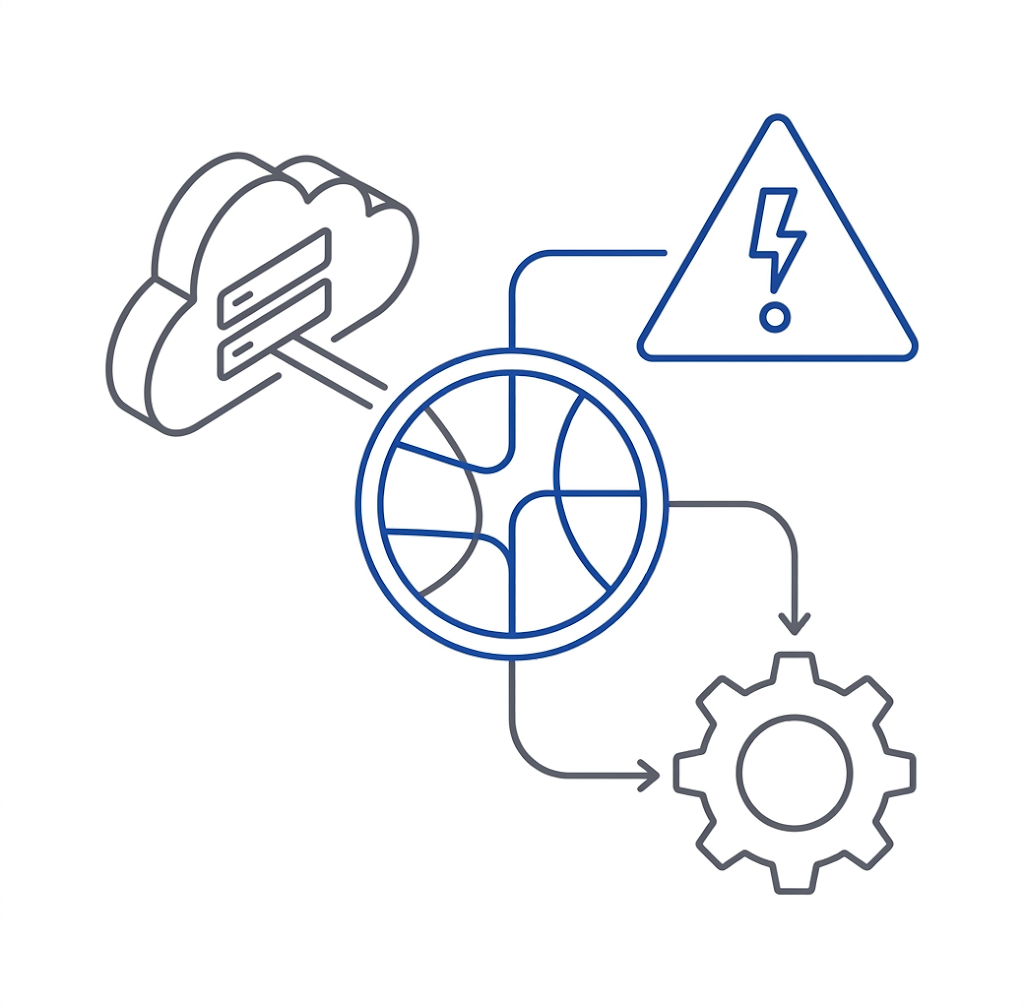
We wire up the gateways, banks, and network dispute APIs you actually need. Then we test against the scenarios that bite: concurrent transactions, retries, settlement edge cases, gateway failover

We handle deployment, monitoring, and what comes after new providers, new markets, and risk-model tuning. Where relevant, we apply proven fintech engineering patterns and reusable components instead of rebuilding everything from zero.
Why payment companies choose Magnise
We're not a generalist agency where banking is one of twenty verticals on the website. Our experience sits inside regulated financial systems neobanking, payments, trading. You're not paying us to learn the domain on your codebase

Ledgers, account systems, lending engines, compliance workflows we engineer the infrastructure the app sits on. That's where integrity actually matters and where most failures happen

Most neobank failures trace back to early architectural calls. A ledger that can't prove balances, or products hardcoded into the app, takes years to unwind. So we treat core design as the highest-leverage part of the engagement
Through our work with Fintatech, we've gained hands-on experience building and evolving fintech components used in production environments. This gives our team practical
Learn about FintatechPayment & Risk Systems We've Built
Payment & Risk Infrastructure
A European marketplace (€35M/mo) relied on a single PSP and spreadsheets, losing revenue on failed authorizations.
Platform scope & integrations
89% → 94%
Authorization rate increased through smart routing and automatic cascading, recovering revenue on failed first attempts
-33%
Chargeback rate dropped by about a third once risk scoring moved ahead of authorization instead of after settlement
Explore related fintech engineering
We build the core behind digital banking products, from account and wallet infrastructure to lending and compliance workflows.
What we build: Core banking architecture, account systems, digital wallets, lending engines, KYC/AML workflows.
Tell us about your transaction flows. Our engineering team looks at the context within 1–2 business days, then we set up a call. It's a technical discussion, not a sales call



